The Importance of AI in Business Today
.webp)
The importance of AI comes from its ability to perform repetitive tasks, identify patterns, and help teams reach decisions faster. As machine learning continues to develop, AI technology has become accessible to organizations of different sizes, rather than being limited to large technology companies.
Its value appears in three main areas:
- Reducing time spent on operational tasks.
- Turning data into actionable insights.
- Improving customer experiences through faster, more personalized responses.
Key Benefits of AI in Business
.webp)
The benefits of AI become clearer when an organization uses the technology to address a specific problem affecting time, cost, productivity, or customer experience. The goal might be to reduce manual work, access information faster, or improve the quality of customer responses and services.
Effective adoption therefore begins by identifying the process that needs improvement, choosing the appropriate technology, and measuring the results. This turns AI in business into a tool connected to clear operational goals rather than simply a technology investment whose impact is difficult to evaluate.
Process Automation and Time Savings
Tasks such as data entry, request classification, and answering frequently asked questions can consume significant amounts of time. Process automation helps complete these tasks faster and more consistently, giving employees more room to focus on analysis, creativity, and human interaction.
A Hulul chatbot can be used to handle recurring inquiries, collect customer information, and direct complex cases to the appropriate employee. WhatsApp automation can also send responses and updates and follow up with customers automatically.
Improving Decision-Making Through Data Analysis
Data creates little value unless it can be turned into useful information. Machine learning can identify patterns within large volumes of data, helping teams forecast demand, understand customer behavior, and notice changes that may be difficult to detect manually.
Data analysis tools can help organize information and extract insights faster, allowing decision-making to rely on clear indicators rather than manual reports or assumptions alone.
Improving Customer Experience and Marketing
Intelligent systems can personalize messages, recommend relevant products or services, classify conversations, and route each request to the appropriate team.
Omnichannel platforms can bring customer interactions into one place and maintain more consistent context across channels. This highlights the importance of AI for organizations that depend on fast responses and personalization while keeping human involvement available for complex cases.

AI Applications Across Different Sectors
AI applications vary depending on the nature of the industry, the type of data available, and the sensitivity of the decisions supported by the system. In some areas, a large share of repetitive processes can be automated, while more sensitive fields require greater human review.
Common examples include:
- E-commerce: recommendations, order tracking, and purchasing behavior analysis.
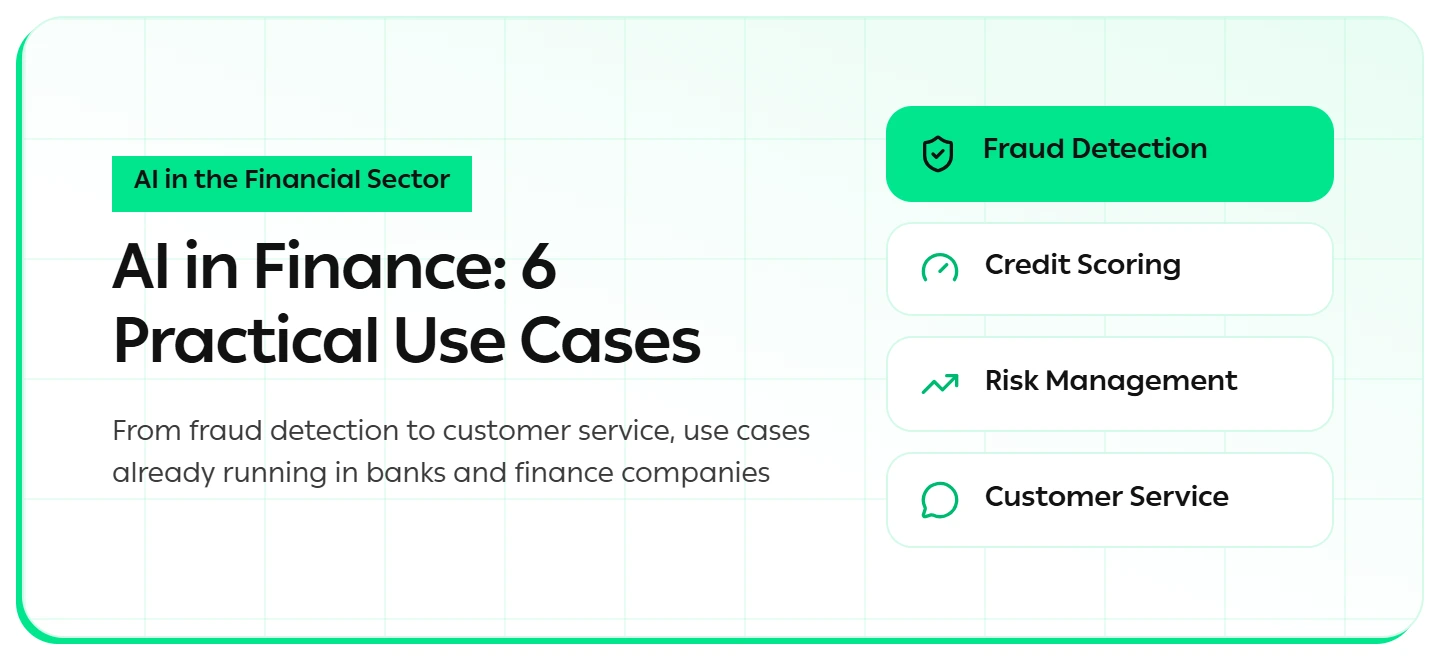
- Financial services: risk analysis and detection of unusual patterns.
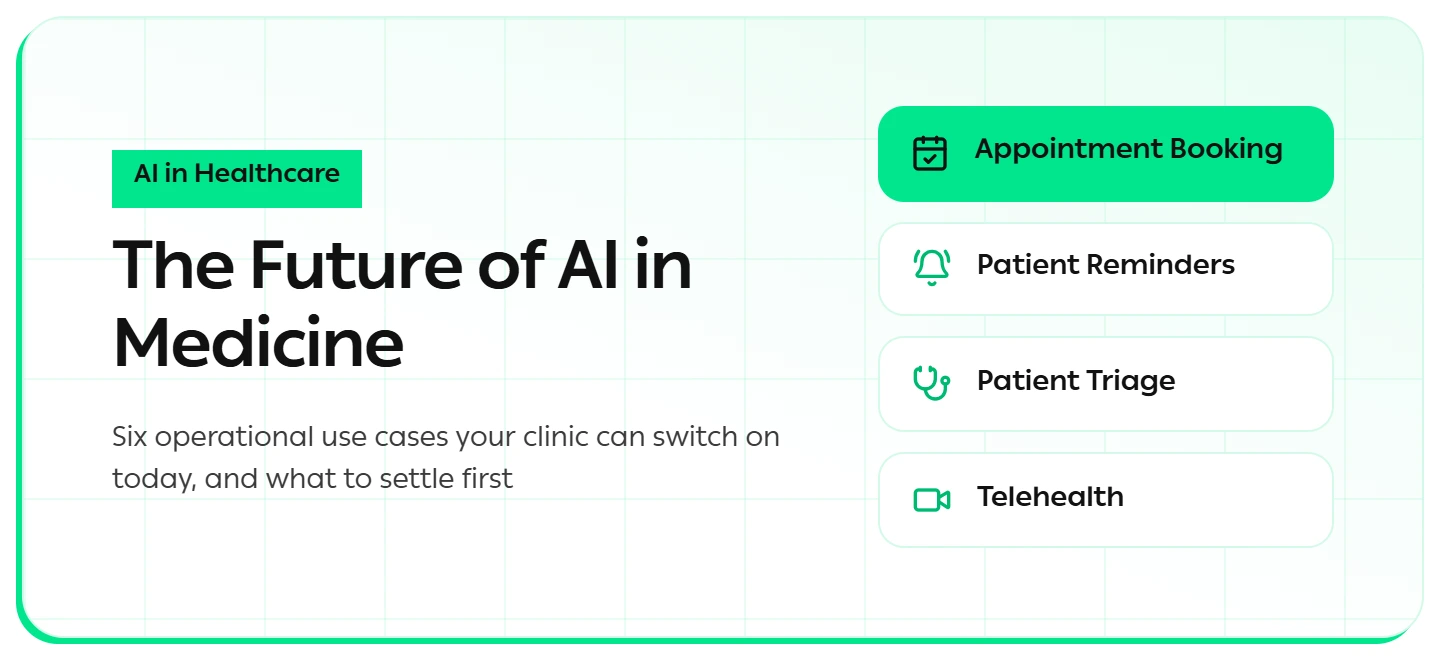
- Healthcare: appointment management, communication support, and administrative data analysis.
- Education: personalized content and learning paths based on student needs.
AI technology becomes more valuable when it integrates with an organization’s existing systems and data rather than operating separately. Solutions that support Arabic and local dialects can also be particularly useful when understanding language and context is an important part of the customer experience.
How Can Organizations Create Real Value From AI?
Simply adding a new tool to a workflow is not enough. Organizations need to define what data the system can use, who is responsible for reviewing its outputs, and when a decision should be transferred to a human.
Quality should also be tested regularly, while errors and potential bias should be monitored before expanding adoption. Using a clear governance and risk-management framework, such as the NIST AI Risk Management Framework, can help organizations define responsibilities and assess potential risks.
This makes AI adoption part of a reviewable business process rather than an isolated technology experiment.
How Can Your Organization Start Benefiting From AI?
Start with one measurable problem, such as slow customer response times or a high volume of manual work. Then choose a tool that fits the use case and can integrate with your existing systems instead of creating a separate process that is difficult to manage.
Follow these steps:
- Define a clear success metric.
- Run a limited pilot.
- Measure the results over a defined period.
- Review risks and output quality.
- Expand only after the use case proves its value.
This approach turns AI from a broad initiative into a project with measurable outcomes. It also helps the organization identify where the technology adds genuine value and where human judgment remains necessary.
Conclusion
The importance of AI lies in its ability to improve how organizations work, support decision-making, and develop customer experiences, rather than simply in the novelty of the technology itself. Organizations that start with a clear use case, measure the results, and gradually expand AI applications are better positioned to build a manageable digital transformation strategy.

FAQs About the Importance of AI
1. Does implementing AI require a large technical team?
Not always. Modern tools make it possible to start with focused use cases without requiring a large engineering team, particularly in customer service, automation, and data analysis. However, organizations should still assign people to monitor results and application quality.
2. How can an organization know whether AI is creating real value?
Value can be measured by comparing clear indicators before and after implementation, such as response time, conversion rate, service costs, number of automated tasks, or customer satisfaction.
3. What is the best place to start with AI?
It is usually best to begin with a repetitive and clearly defined task that has a direct impact, such as answering frequently asked questions, classifying requests, analyzing sales data, or routing customer inquiries to the appropriate team.
4. Can AI be integrated with existing systems?
Yes. Many AI solutions can connect with CRM systems, e-commerce platforms, databases, and other tools, helping organizations benefit from their existing technology infrastructure instead of replacing it entirely.
5. Why is Arabic language support important?
The quality of the experience depends on understanding how users phrase their requests and the context behind them, rather than simply translating individual words. Support for Arabic and local dialects can help deliver more accurate and natural interactions for users across the region.